
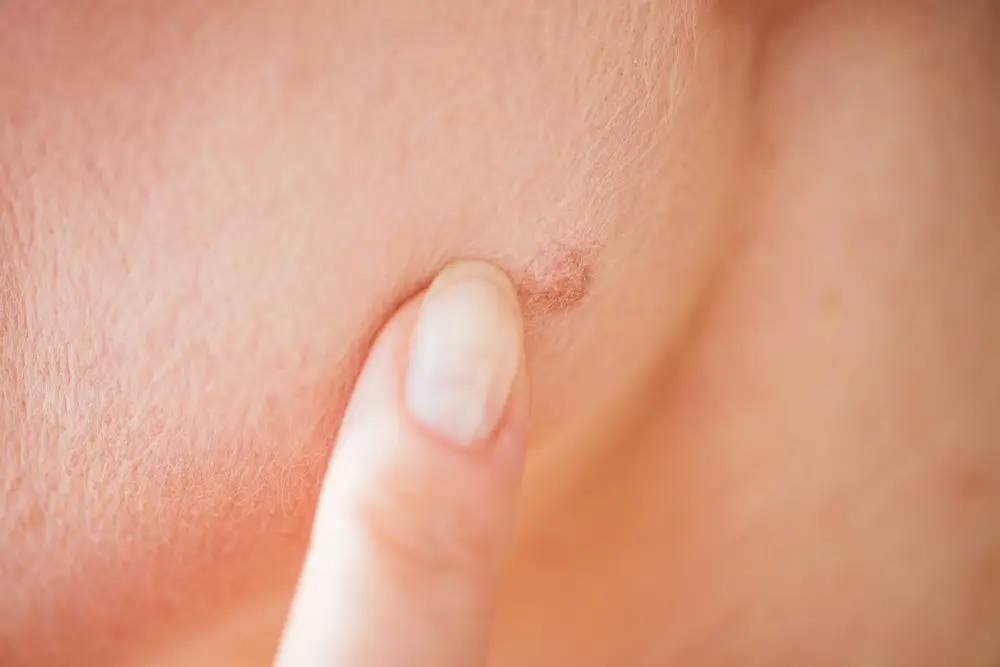

Warts are a very common skin condition in children, and while they are usually harmless, they can be bothersome, embarrassing, or even painful depending on where they appear. If your child has developed one or more warts, you might be wondering: Should we try to treat this at home, or is it time to visit the pediatrician?
This guide will walk you through what warts are, why kids get them, at-home care options, when to seek medical attention, and how pediatricians treat them safely. By the end, you’ll feel more confident about handling this common issue.
What Are Warts?
Warts are small, noncancerous growths on the skin caused by the human papillomavirus (HPV). While the word “virus” sounds alarming, the strains that cause warts in children are typically mild and limited to the skin.
They can appear anywhere, but the most common sites are:
- Hands and fingers (especially around nails, known as periungual warts)
- Feet (plantar warts, which may feel like stepping on a pebble)
- Face (flat warts, which are smooth and slightly raised)
- Knees and elbows, where kids are prone to scrapes
Warts are contagious through direct skin-to-skin contact or by sharing items like towels, shoes, or sports equipment. They also spread more easily in environments where kids are barefoot, such as locker rooms or swimming pools.
Why Do Children Get Warts More Often?
Children’s immune systems are still developing, which makes them more susceptible to HPV infections. The virus enters the skin through tiny cuts or abrasions. Since kids are active, prone to scrapes, and often share toys and clothing, they are at a higher risk of picking up the virus.
The good news is that most children will eventually outgrow warts as their immune systems learn to recognize and fight the virus. But waiting it out can take months or even years without treatment.
Can Warts Go Away on Their Own?
Yes. About two-thirds of warts disappear within two years without treatment. However, many families choose to treat them sooner because:
- Warts can spread to other parts of the body.
- They can be uncomfortable, especially plantar warts on the feet.
- Children may feel embarrassed about visible warts on their hands or face.
- Scratching or picking at warts can lead to infection.
So while patience is an option, treatment often helps resolve them faster and prevents complications.
At-Home Wart Care: What Parents Can Try
If the wart is small, painless, and not spreading rapidly, you may try over-the-counter (OTC) or natural remedies at home. Here are the most common options:
1. Salicylic Acid Treatments
- Available as gels, liquids, pads, or plasters in most pharmacies.
- Works by slowly dissolving the layers of the wart.
- Best used after soaking the wart in warm water and gently filing down thickened skin with an emery board or pumice stone.
- Requires patience, daily application for several weeks or even months.
Tip: Covering the treated wart with duct tape or a bandage afterward can increase effectiveness.
2. Duct Tape Occlusion Therapy
- A surprisingly popular home remedy.
- Place a small piece of duct tape over the wart and leave it in place for 4–7 days.
- Remove the tape, soak the wart, gently file, then reapply fresh tape.
- This method may stimulate the immune system to fight the virus.
Results are mixed, but many families report success, plus it’s low-cost and safe.
3. Cryotherapy Kits (At-Home Freezing)
- Some drugstores sell home freezing kits using dimethyl ether and propane.
- These are less powerful than a doctor’s cryotherapy treatment, but they may work for small warts.
- Effectiveness in children is variable, and they can cause temporary pain or blistering.
4. Boosting the Immune System
- Encourage good sleep, a balanced diet, and stress management, healthy immune systems fight HPV more effectively.
- Remind children not to bite nails or pick at warts, since that spreads the virus.
When to See a Doctor for Warts
At-home treatments can help, but sometimes professional care is needed. Consider making an appointment with your child’s pediatrician if:
- The wart is painful, especially on the feet.
- Warts are spreading rapidly or appearing in clusters.
- There is bleeding, pus, or signs of infection.
- Warts are on the face or genital area (special care is required).
- The wart has been resistant to several weeks or months of OTC treatments.
- Your child has a weakened immune system due to medical conditions or medications.

How Pediatricians Treat Warts
Pediatricians have several safe and effective options to treat stubborn or painful warts:
1. Cryotherapy (Freezing the Wart)
- Uses liquid nitrogen to freeze the wart.
- The freezing causes a blister to form under the wart, which eventually falls off.
- May require multiple sessions 2–3 weeks apart.
- Can be uncomfortable, but generally well-tolerated by older kids.
2. Prescription Topical Medications
- Stronger than OTC salicylic acid.
- May include immune-modulating creams like imiquimod, which helps the body recognize and fight HPV.
- Often used for flat warts or warts on sensitive areas.
3. Cantharidin (“Beetle Juice”)
- A painless liquid applied in-office that causes a blister under the wart.
- The wart then lifts off as the blister heals.
- Especially useful in children since it doesn’t hurt during application.
4. Minor Surgical Options
- For very persistent warts, a doctor may recommend surgical removal, curettage (scraping), or cautery (burning).
- Reserved for cases where other treatments fail, since scarring is possible.
Preventing Warts from Coming Back
Even after successful treatment, warts can return. To minimize recurrence:
- Teach kids not to pick or scratch warts.
- Encourage wearing flip-flops in public pools, locker rooms, and showers.
- Remind children not to share towels, socks, or shoes.
- Keep skin clean and moisturized to prevent cracks where HPV can enter.
Supporting Your Child Emotionally
While warts are a physical condition, they can also affect self-esteem, especially if they are on visible areas like the hands or face. Reassure your child that warts are common and not a sign of poor hygiene.
Encourage open communication and involve your child in the treatment plan. Even simple steps like applying salicylic acid together can make them feel more in control.
The Bottom Line
Warts in children are extremely common and usually harmless, but they can be uncomfortable or embarrassing. Many cases respond well to consistent at-home treatments like salicylic acid or duct tape therapy, though patience is key. If warts are spreading, painful, or resistant to home remedies, your pediatrician can offer safe, effective treatments tailored to your child.
With a combination of good hygiene, preventive strategies, and medical guidance when needed, most children can say goodbye to warts and return to worry-free play.