


As children return to the classroom, they’re re-entering germ-filled environments where colds, flu, and other infections spread quickly . At Village Pediatric Group, we guide families through early detection, smart home care, and knowing when medical help is necessary. Understanding typical back-to-school illnesses can minimize missed school days and ensure timely care.
1. The Common Cold
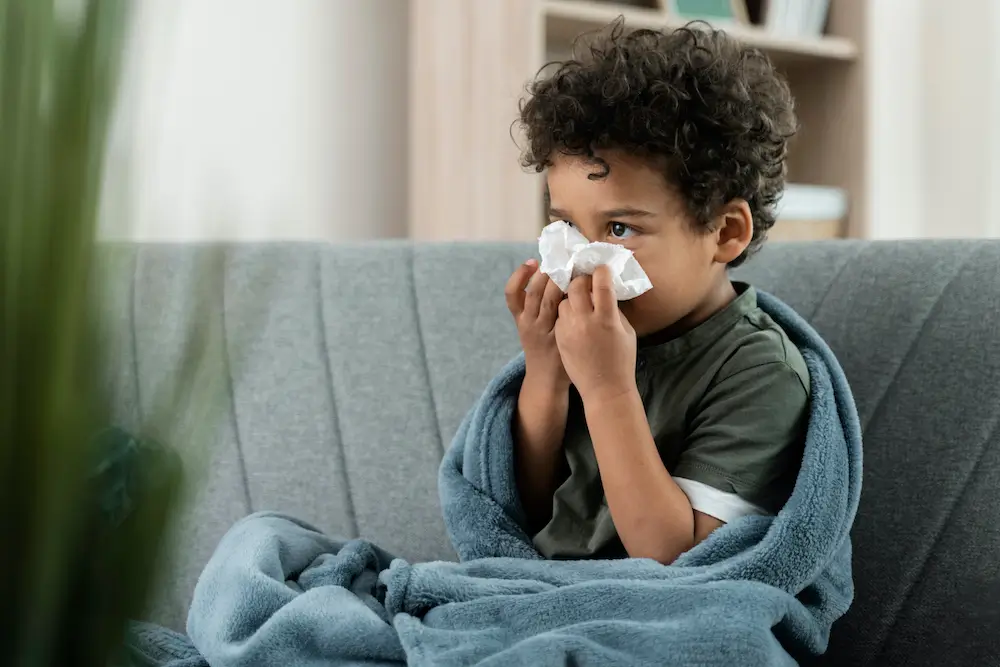
The most frequent school‑age illness, caused by rhinoviruses, colds present with congestion, runny nose, mild cough, and sometimes low-grade fever. They spread via touch or droplets. Tissue disposal and handwashing are key preventive steps.
Home Management: Rest, fluids, humidifiers, saline nasal spray, and over‑the‑counter pain relievers like acetaminophen.
When to Call the Doctor:
- Fever ≥ 102°F lasting over 3 days
- Wheezing or difficulty breathing
- Ear pain or green nasal discharge
2. Influenza (Flu)
Flu season typically picks up during fall-spring. High fever, body aches, fatigue, cough, and congestion are tell-tale signs. Children under 5 and those with chronic conditions are especially vulnerable.
Home Management: Antiviral meds may be prescribed if started early; rest, hydration, and fever control. Flu shots save lives and reduce severity.
When to Call the Doctor:
- Rapid breathing, bluish lips
- High fever not lowering after meds
- Dehydration (dry mouth, no tears, reduced urine)
3. Stomach Flu (Viral Gastroenteritis)
Known as stomach flu, this spreads with vomiting and diarrhea. While usually short-lived, it can quickly lead to dehydration.
Home Management: Small sips or oral rehydration, bland diet, and monitoring fluid intake.
When to Call the Doctor:
- Inability to keep fluids down for 24 hours
- Severe abdominal pain
- Blood or green bile in vomit
4. Strep Throat & Sore Throat
Strep is a bacterial infection marked by sudden sore throat, high fever, headache, stomach pain, and swollen glands.
Home Management: OTC pain relief and warm saline gargles may ease discomfort before diagnosis.
When to Call the Doctor:
- Sudden high fever with throat pain
- White spots on tonsils
- A rash with sore throat
A rapid strep test confirms diagnosis, and antibiotics can reduce severity.
5. Pink Eye (Conjunctivitis)
This eye infection causes redness, tearing, crusting, or discharge. Spread via hands or shared items makes schools ideal breeding grounds.
Home Management: Warm compresses, gentle wiping, and proper hygiene for the child.
When to Call the Doctor:
- Yellow/green discharge, eyelid swelling, or pain
- Vision changes
- Contact lens user
6. RSV & Bronchiolitis
Respiratory syncytial virus (RSV) leads to colds or severe respiratory illness in infants. Healthcare settings have noted fewer hospitalizations following proactive programs.
Home Management: Rest, fluids, nasal suction for babies.
When to Call the Doctor:
- Fast or troubled breathing
- No wet diapers for 8 hours
- Bluish lips or extreme irritability
7. Concussions & Minor Injuries
Fall sports increase the risk of bumps, scrapes, and minor head injuries. While most are manageable at home, concussions require vigilance.
Home Management: Supervised rest and light activity for minor injuries.
When to Call the Doctor or Urgent Care:
- Possible fracture (swelling, pain)
- Head impact with confusion, vomiting, or disorientation

Backpack Germs: The Overlooked Risk
Backpacks, lunchboxes, and water bottles are often overlooked hotspots for germs. They’re handled daily and come into contact with floors, desks, and buses.
Quick Tip:
Clean and disinfect backpacks weekly, and remind kids to wash hands after unpacking. Reusable water bottles should be washed daily with soap and hot water to prevent bacterial buildup.
When to Keep Your Child Home
School policies often require kids to stay home with:
- Fever ≥ 100.4°F
- Vomiting, diarrhea
- Uncontrolled coughing or sneezing
- Rash with fever
- Pink eye until treated
Children can usually return 24 hours after fever breaks (without meds) or after 24 hours of recovery from vomiting/diarrhea .
When to Call the Doctor or Seek Immediate Care
Urgent Call or Clinic Visit:
- Infant under 3 months with fever ≥ 100.4°F
- Fever > 104°F of any age
- Persistent high fever, difficulty breathing, stiff neck, purple rash, or lethargy
- Dehydration, inability to drink, no wet diapers, or confusion
Emergency Room Needed:
- Choking, unconsciousness, blue skin, seizures
- Severe head injury or poisoning
Trust your instincts, don’t hesitate to call in if you’re unsure.
Preventive Tips for the School Year
- Vaccination: Flu, MMR, COVID, and RSV in at‑risk children
- Hand Hygiene: Frequent washing after restroom, before meals, after play
- Teach Respiratory Etiquette: Cough or sneeze into elbow or tissue
- Healthy Sleep & Nutrition: Support immune function with consistent routines
- Clean Environments: Wipe down frequently touched surfaces at home
Conclusion
Back-to-school season brings excitement… and illnesses. Understanding common childhood illnesses and knowing when to call the doctor can give families confidence and peace of mind.
At Village Pediatric Group, we’re here to support your child’s health with timely medical care and expert guidance.
Not sure whether to call or come in? Contact us any time with questions, your child’s health and safety are our top priority.