

Ear wax, also called cerumen, is a natural and necessary part of ear health. In children, it plays an important role in keeping the ear canal clean, lubricated, and protected from dust, dirt, and germs. While most of the time earwax is harmless and even beneficial, sometimes it can build up and cause discomfort or even hearing problems.
At Village Pediatric Group, we often get questions from parents wondering if their child’s earwax is “normal” or if it needs medical attention. This post will guide you through the basics of earwax, signs of blockage, and safe ways to address the problem, so you’ll know when to monitor, when to manage at home, and when to make an appointment with your pediatrician.
Why Kids Have Earwax in the First Place
Earwax isn’t dirt, it’s a combination of secretions from glands in the ear canal and tiny bits of skin cells. Its main purposes are to:
- Trap dust, bacteria, and other particles before they reach the eardrum.
- Prevent the ear canal from becoming too dry or itchy.
- Provide natural protection against some infections.
Most kids’ ears clean themselves naturally. The wax moves slowly outward as they chew or talk, eventually drying and flaking off.

Signs Your Child Might Have an Earwax Blockage
An earwax blockage (also called cerumen impaction) happens when wax builds up faster than the ear can naturally clear it. This can be due to:
- Narrow ear canals
- Overproduction of earwax
- Using cotton swabs or objects that push wax deeper
- Wearing earplugs or hearing aids regularly
Possible Symptoms of a Blockage:
- Ear pain or a feeling of fullness in the ear
- Trouble hearing or muffled sounds
- Itching or discomfort in the ear canal
- Ringing in the ear (tinnitus)
- Dizziness or balance problems (in rare cases)
- Visible wax that appears dark or hardened
Pro Tip: If your child suddenly develops hearing changes, pain, or fever, call your pediatrician, these could also be signs of an ear infection.
When Home Care Is Safe
Mild earwax buildup without pain or hearing loss may resolve on its own. At home, you can:
- Wipe the outer ear gently with a soft cloth after bathing.
- Use a few drops of mineral oil or over-the-counter ear drops (only if your child’s doctor says it’s okay).
- Encourage natural movement (talking, chewing) that helps wax migrate outward.
Avoid: Cotton swabs, hairpins, or any pointed objects; they can push wax deeper, scratch the ear canal, or damage the eardrum.
When to See the Pediatrician
You should schedule a visit if your child has:
- Pain in one or both ears
- Hearing loss or muffled hearing
- Persistent itching or discomfort
- Discharge (fluid, pus, or blood) from the ear
- Fever or signs of illness
- A history of ear surgery or eardrum problems
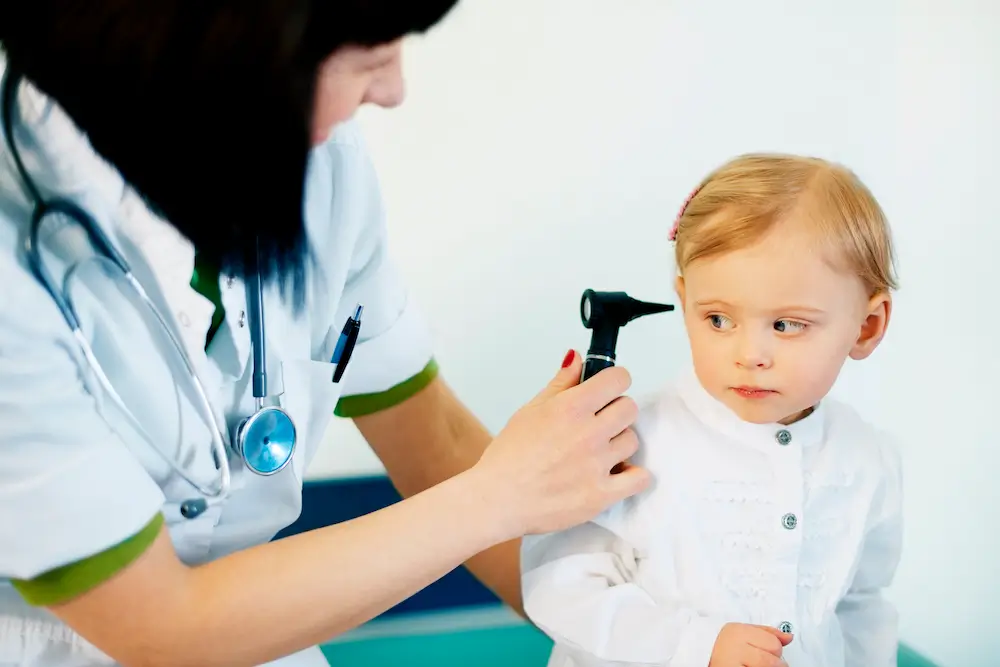
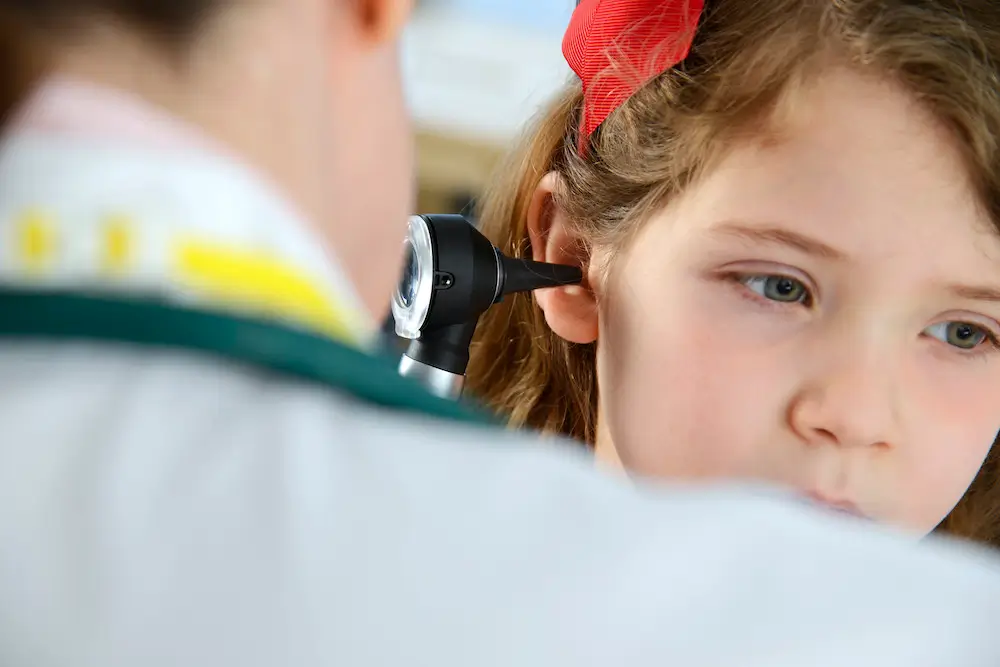
At Village Pediatric Group, we can examine your child’s ears with a special lighted instrument called an otoscope. This lets us see exactly how much wax there is and whether it’s causing problems.
How We Treat Earwax Blockages in the Office
If we find that earwax is indeed causing symptoms, we can safely remove it using:
- Gentle irrigation – Flushing the ear with warm water
- Curettage – Using a small, spoon-shaped tool to scoop out wax under direct visualization
- Suction – Removing wax with a soft medical vacuum
These methods are quick, safe, and comfortable when performed by a pediatric professional, and they can provide almost instant relief.
Can Earwax Cause Long-Term Problems?
Most of the time, no. Earwax itself isn’t harmful, but chronic, untreated blockages can:
- Temporarily reduce hearing
- Increase the risk of ear infections
- Cause discomfort that affects focus, speech development, or behavior
Addressing blockages promptly helps prevent these issues.
Preventing Earwax Problems in Kids
While you can’t (and shouldn’t) stop earwax production entirely, you can reduce the chance of blockages:
- Teach kids never to put objects in their ears.
- Limit or take breaks from earplugs or earbuds.
- Have ears checked during routine well-child visits, especially if your child has a history of buildup.
Our Advice for Parents
It’s natural to want to “clean” your child’s ears, but most of the time, less is more. Ears are self-cleaning organs, and over-cleaning can do more harm than good. If you’re ever unsure, call us, we’d rather check and reassure you than have you risk injury at home.
Final Thoughts
Earwax is a normal and healthy part of your child’s ear anatomy, but blockages can happen. Knowing the signs, avoiding risky at-home methods, and seeking timely pediatric care are the best ways to keep your child’s hearing and comfort on track.
At Village Pediatric Group, we’re here to make ear care easy, safe, and stress-free for families. Whether it’s a routine checkup or a suspected blockage, you can count on us to give your child’s ears the attention they deserve.
Ready to schedule a visit?
Call our office or request an appointment through the Patient Portal. We’ll take a look, provide relief if needed, and offer tips for healthy ear care at home.