


Most parents are comfortable with well visits and vaccinations, but when the doctor mentions lab work, it can feel unfamiliar. What are they actually testing for? Is it necessary? Will it hurt?
These are fair questions and they deserve a real answer.
At Village Pediatric Group, we order routine labs to catch problems early. Often before symptoms appear. This guide walks you through the most common tests, when they happen, and why they matter for your child’s health.
Why Routine Lab Tests Matter
Annual blood work is not about finding problems. It is about staying ahead of them.
Many conditions in children develop quietly. Iron deficiency, elevated cholesterol, and lead exposure rarely cause obvious symptoms at first. By the time a child feels unwell, the issue may be well established.
Routine screening changes that. It gives us a baseline. It helps us track changes over time. And it means we can act early, when outcomes are better.
According to the American Academy of Pediatrics, preventive care visits are the cornerstone of pediatric health. Lab testing is a core part of that.
The Most Common Routine Labs for Children
Lead Screening
Lead exposure is one of the most important early childhood health concerns. Lead is invisible. It has no taste or smell. Children absorb it through old paint, contaminated soil, and certain household dust.
Even low levels of lead in the blood can affect brain development, learning, and behavior.
The Centers for Disease Control and Prevention recommends screening at 12 months and again at 24 months. Children at higher risk may be tested more often.
In Westchester County, older housing stock means lead risk is a real concern for many families. We do not skip this test.
- Who needs it: All children at 12 and 24 months
- Higher risk children: May need additional screening through age 6
- How it works: A small blood draw or fingerstick
Blood Count (CBC)
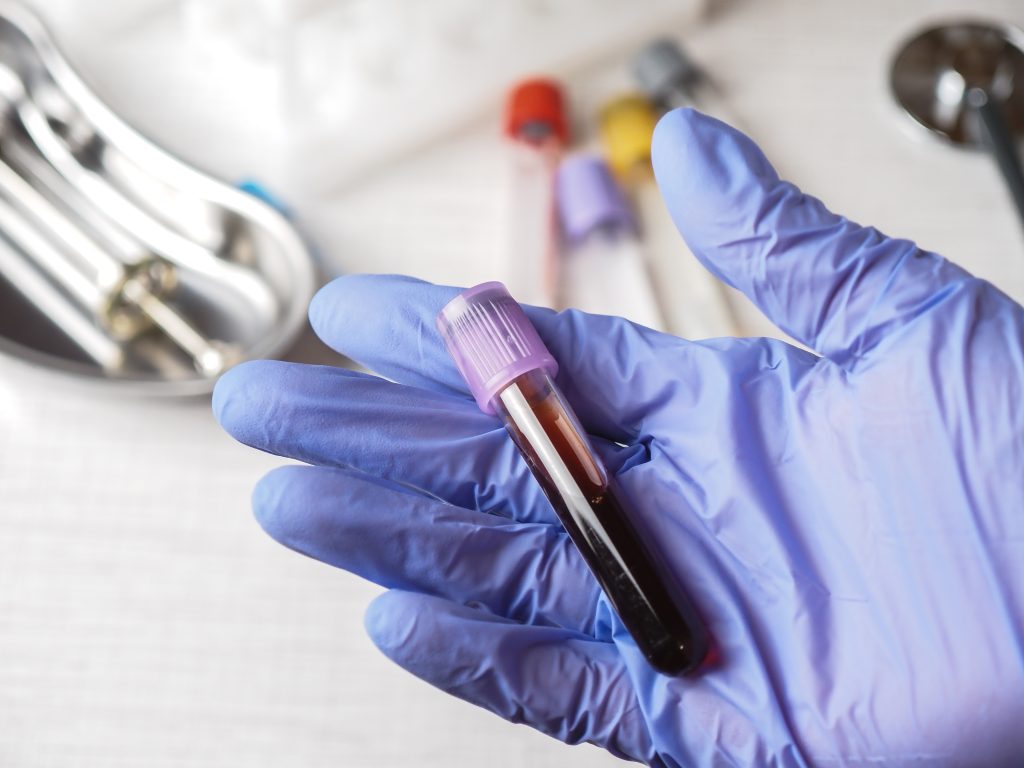
A complete blood count, or CBC, measures the components of your child’s blood. Red cells, white cells, and platelets.
We use this test to screen for anemia. Anemia is common in young children and can affect energy, development, and concentration. It can also flag signs of infection or immune issues.
- Who needs it: Often at 12 months; may repeat in adolescence
- What it checks: Iron-deficiency anemia, infection markers, platelet levels
Anemia and Iron Screening
Iron deficiency is the most common nutritional deficiency in children worldwide. It often appears before full anemia develops.
We typically screen for it at the 9-month or 12-month visit. Toddlers on primarily milk-based diets are at higher risk. So are premature infants and children with poor dietary iron intake.
Catching low iron early means we can address it through diet or supplementation before it affects development.
- Who needs it: Infants and toddlers, typically around 9 to 12 months
- Also relevant for: Adolescent girls after menstruation begins
Cholesterol Screening
Yes, children can have elevated cholesterol. It does not only happen to adults.
Dyslipidemia in childhood is often inherited, but diet, weight, and lifestyle also play a role. Children with a family history of early heart disease or high cholesterol are at higher risk.
- Who needs it: All children aged 9 to 11; repeat at 17 to 21
- Earlier screening: For children with a family history of high cholesterol or heart disease
- Why it matters: Early lifestyle changes can significantly improve long-term heart health
Urinalysis
A urinalysis is a urine test. It screens for kidney problems, urinary tract infections, diabetes, and other conditions.
It is usually done at the preschool well visit around age 4 or 5. It may be repeated later, especially if your child has symptoms or a history of urinary issues.
The test is non-invasive. Your child provides a urine sample. That is it.
- Who needs it: Often at age 4 to 5 well visits
- What it checks: Protein, glucose, blood in the urine, signs of infection
Blood Pressure Screening
This is not a lab test in the traditional sense, but it is a critical routine check we do at every well visit starting at age 3.
High blood pressure in children is more common than many parents realize. It can often be linked to weight, kidney function, or family history.
We flag and follow up on any readings that fall outside the normal range for your child’s age and size.
Glucose and Diabetes Screening
Routine blood glucose screening is not standard for all children. It is recommended for children who are overweight or obese, especially those with other risk factors.
Type 2 diabetes in children has increased significantly in recent decades. Catching elevated blood sugar early allows us to intervene before a diagnosis becomes unavoidable.
If your child’s BMI or family history raises a concern, we will discuss whether glucose testing is appropriate at their visit.
Tuberculosis (TB) Testing
TB testing is not routine for all children. It is recommended for children considered at higher risk.
This includes children who have traveled internationally, who have a family member with TB, or who live in communities with higher rates of exposure.
If your family has a relevant travel or exposure history, let us know at your next visit. We will advise on whether a TB test is appropriate.
STI Screening in Adolescents
As children enter their teens, the scope of routine lab work expands. Sexually active adolescents should be screened regularly for sexually transmitted infections.
This is not a judgement. It is standard preventive care.
We discuss STI screening privately with adolescent patients. Our team is trained to have these conversations with sensitivity and without embarrassment.
For more information, see our existing post on STI Testing in Teens on the VPG blog.
Lab Testing by Age: A Quick Reference
Birth to 12 Months
- Lead screening: At 12 months (and 24 months)
- Hemoglobin or hematocrit: Around 9 to 12 months
- CBC: Often at 12 months
Ages 1 to 4
- Lead screening: Continued risk assessment; additional blood tests if needed
- Iron check: If not done previously or if diet is limited
Ages 4 to 5
- Urinalysis: Typically at the preschool well visit
- Vision and hearing checks: Often done alongside labs at this age
Ages 9 to 11
- Cholesterol screening: First universal lipid panel
- Blood pressure: At every visit
- TB and glucose: Based on risk factors
Adolescence (Ages 12 to 21)
- Cholesterol: Repeat lipid panel between 17 and 21
- Iron: For adolescent girls after menstruation begins
- STI screening: For sexually active teens
- Glucose: If overweight or at risk
- Blood pressure: At every visit

What to Expect During a Lab Visit
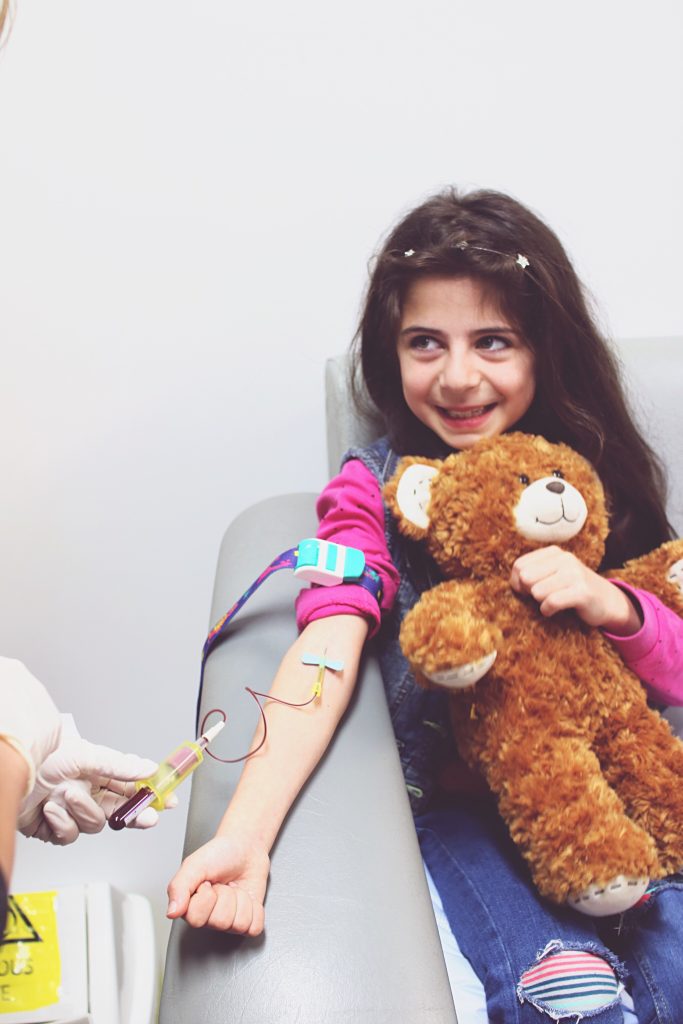
For younger children, a blood draw can feel daunting. Here are a few things that typically help:
- Explain it simply. Tell your child a small amount of blood is being taken to help the doctor check they are healthy.
- Stay calm. Children take cues from parents. If you appear relaxed, they often do too.
- Bring comfort items. A favorite toy or stuffed animal can help with distraction.
- Ask about numbing cream. For anxious children, we can apply a topical anesthetic in advance to reduce discomfort.
Results are usually available within a few days. We will contact you to discuss any findings that need follow-up.
Frequently Asked Questions
Does my child need labs at every well visit? Not necessarily. The specific tests depend on your child’s age, health history, and risk factors. Your provider will recommend what is appropriate at each visit.
Will it hurt? A fingerstick or small blood draw can sting briefly. We work to make the experience as quick and comfortable as possible. Topical numbing cream is available for children who are anxious about needles.
What if a result comes back abnormal? Abnormal does not always mean serious. We will contact you to explain the result, put it in context, and discuss any next steps. We do not leave families without answers.
Can I ask for a copy of the results? Always. You can access results through the Medent patient portal or request a copy at your visit. We encourage families to keep records.
Schedule Your Child’s Well Visit
Routine lab work is part of every well visit at Village Pediatric Group. If your child is due for their annual check-up, or if you have questions about which tests are right for their age, we are here to help.
Call our Tuckahoe office at (914) 771-7070 to book an appointment. We serve families across Westchester County and the Lower Hudson Valley, with care available for children from newborn through age 21.
We are always just a phone call away.
Medical Disclaimer: This post is for informational purposes only and does not constitute medical advice. Always consult your child’s physician before making any decisions about their health or care. If you have concerns about your child’s health, contact your pediatric provider directly.