
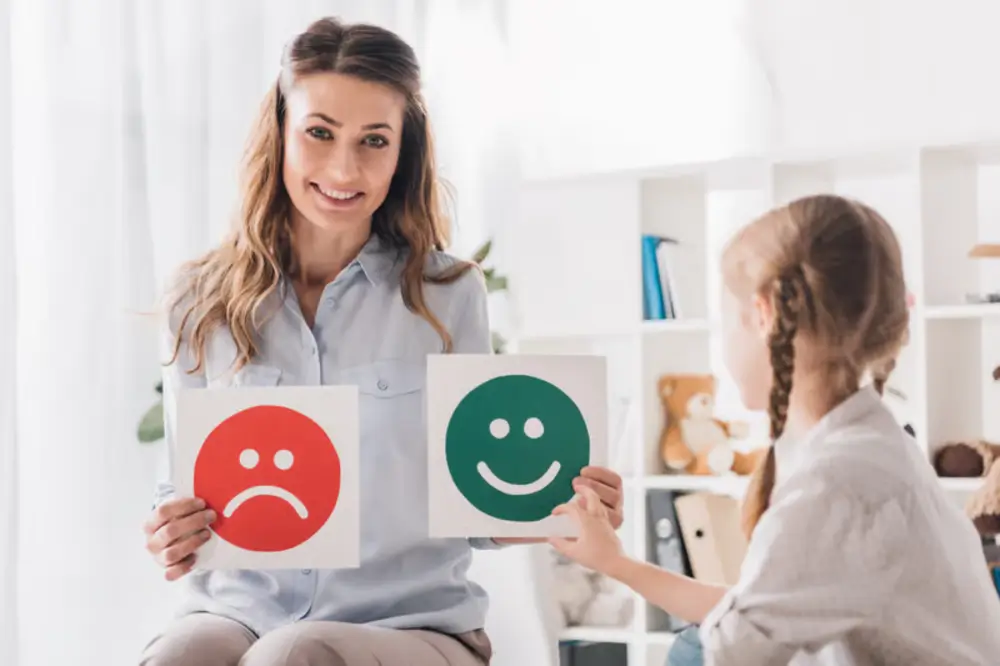

As children transition from the early years of play into the structured world of school, they do not just grow in height. They grow in emotional complexity. This stage of life is filled with “big feelings,” from the excitement of making a new friend to the frustration of a difficult math problem or the anxiety of a school performance.
At Village Pediatric Group, we believe that emotional health is just as vital as physical health. When a child feels emotionally secure, they are better equipped to learn, build healthy relationships, and navigate the inevitable ups and downs of life.
Why Emotional Health Matters for Your Student
Emotional health is not just about being “happy.” It is about developing resilience, which is the ability to bounce back from challenges. To understand the foundational signs of mental wellness, the Mayo Clinic offers a guide on knowing the signs of healthy emotional development. A child who is emotionally supported often shows:
- Better focus and academic performance.
- Stronger social connections and empathy for others.
- Healthier coping mechanisms for stress.
- Increased self-confidence and a positive self-image.
Understanding School-Age Stressors
While we often think of childhood as carefree, school-age children face unique pressures. The U.S. Department of Education provides a dedicated Resources for Families hub to help parents support their child’s success both in and out of the classroom. Recognizing these early can help you provide the right support:
- Academic Pressure: Even in elementary school, children can feel pressure to perform and take tests.
- Social Navigation: Learning how to handle cliques and playground disagreements requires significant emotional energy. The American Psychological Association offers a deep dive into building resilience for these social hurdles.
- Routine Changes: Transitions between home and school can be taxing for children who thrive on predictability.

Practical Ways to Support Your Child at Home
1. Create a “Safe Space” for Conversation: Encourage your child to share their day, but do not force it. Sometimes the best conversations happen “shoulder to shoulder,” such as while driving or washing dishes. For tips on starting these dialogues, the Child Development Institute provides excellent parenting strategies.
2. Name the Feeling to Tame the Feeling: Children often feel overwhelmed because they do not have the vocabulary for what they are experiencing. The CDC’s guide on children’s mental health offers insights into understanding these developmental stages and how to help kids label emotions like frustration or nervousness.
3. Model Healthy Coping: Your child is watching how you handle stress. If you are stuck in traffic, verbalize your process: “I am feeling a little frustrated right now, so I am going to take three deep breaths.” This type of modeling is a key component of the NIH’s MedlinePlus resources for families.
4. Prioritize Unstructured Play: Between school and sports, kids need time to just be. Unstructured play is where children process their emotions. You can find more about the importance of play and developmental milestones on our patient resources page.
5. The Mind-Body Connection: Emotional health is deeply influenced by physical habits. Ensuring your child gets enough sleep and balanced nutrition can significantly stabilize their mood. You can learn more about maintaining these foundations through our well visits and physicals or by checking for any physical concerns during sick visits.

When to Seek Extra Support
It is normal for kids to have “off” days. However, if you notice persistent patterns—such as withdrawal from friends or physical symptoms like frequent stomachaches—it may be time to consult your pediatrician. The National Institute of Mental Health provides a factual overview of when these patterns may require professional attention.
At Village Pediatric Group, we offer comprehensive mental and behavioral health services tailored to your child’s unique needs. As your child grows, we also offer specialized adolescent care to help them navigate the unique emotional and social challenges of the teenage years. We can help determine if a behavior is a typical phase or something that could benefit from a formal behavioral screening.
Your Partners in Every Milestone
Emotional growth is a journey, and you do not have to navigate it alone. Whether you have questions about social development or need resources for school-related anxiety, our multilingual team of providers is here to help. You can also stay updated with the latest health tips by following our blog.
Ready to discuss your child’s emotional well-being? Contact Village Pediatric Group today to schedule a consultation. Let’s work together to ensure your child thrives in every sense of the word.